
I was on my second to last long run before the Big Cottonwood Canyon Marathon, 13 miles. It was early on an August Saturday morning so not too hot and I was doing well with my LSD pace. All of a sudden, on the flat stretch of my local trail with about 2 miles left to go, my left hip seemed to twerk out from under me. I felt a stabbing pain in my hip that seemed to shoot around my glute and hamstring area. I slowed down a little. The pain kept on. I limped and hopped and kicked my legs up behind me to try and shake it out but the pain persisted. I did something I never do and stopped and stretched. Stopping seemed to make it worse and after a brief stretch I powered through the painful final stretch home. Continue reading
Hip Pain: It Came Out of Nowhere
4 Replies
 At the suggestion of a friend of mine who is an NSPA-certified instructor, I got a Polar
  The
The  By now you are probably tired of reading about issues surrounding my
 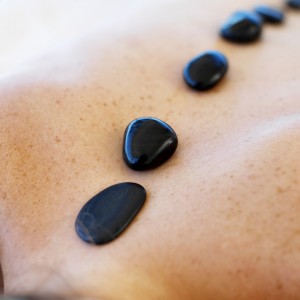 There are several names that came to mind for this post: “That’s the Spot!” “Ouch!” “Digging Deep,” “Seven,” and plenty of others, some of which sounded totally inappropriate and others that could be misleading. So as not to leave you wondering what all these possible post names relate to, they are tied to the deep tissue sports massage I had over the weekend.
 One of the things I have enjoyed most about having run a marathon is how much I learned along the way. I am very aware that I have barely scratched the surface of most topics related to running and training and I find it encouraging that there is always something new to learn about the sport. Part of running is science and understanding how the body works and how all the muscles work together, and part of running simply personal and figuring out what works best for you.
 This morning as I was walking down the stairs sideways, slowly, holding on to the railing, and feeling each step in my knees and ankles I smiled knowing that for all this pain I would not change having just run my first marathon less than 24 hours ago.